Maasai Mara National Reserve
The Maasai Mara, located in southwestern Kenya, is not just a wildlife reserve; it is the stage for one of the most spectacular life cycles on the planet. Spanning over 1,500 square kilometers of rolling grasslands, acacia-dotted savannas, and riverine forests, it represents the northern reaches of the Serengeti ecosystem.
1. The Great Migration: Africa’s Heartbeat
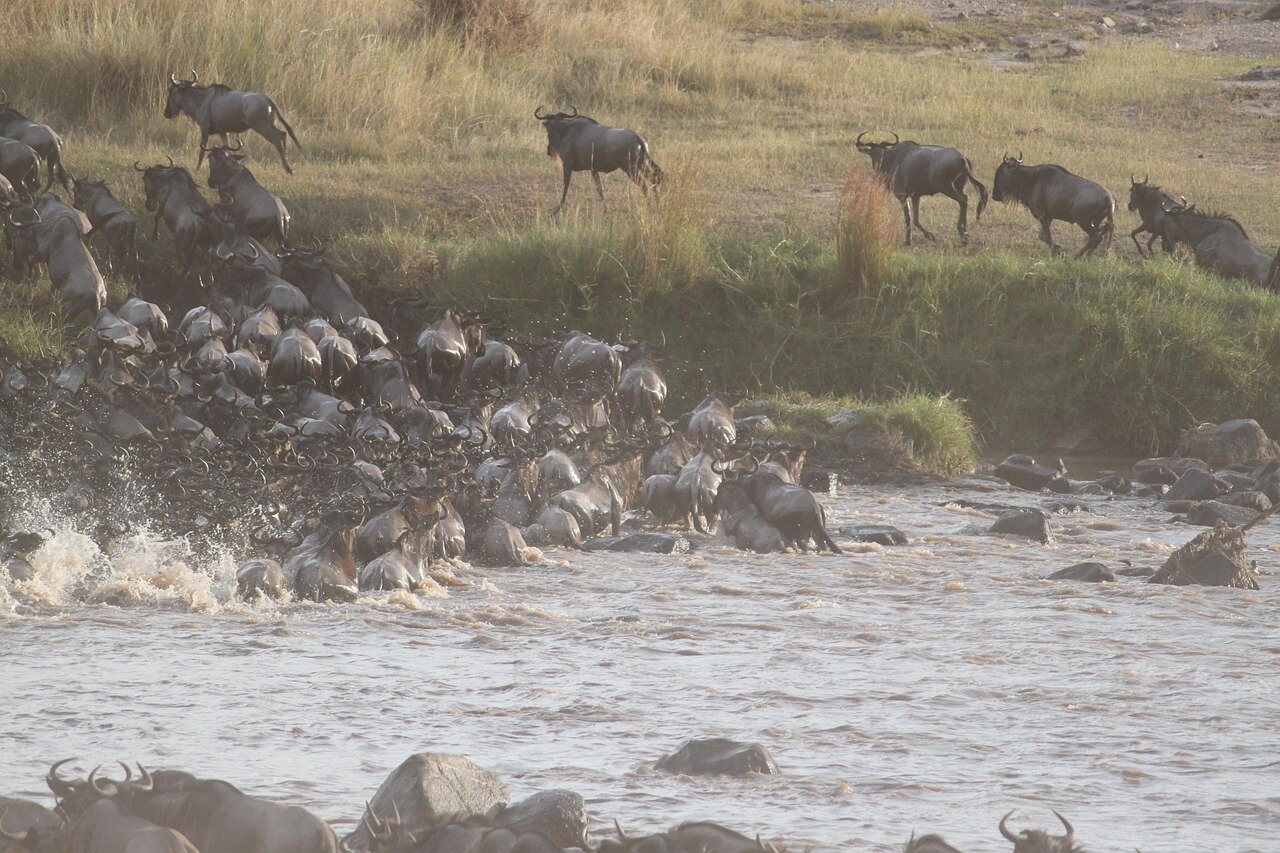
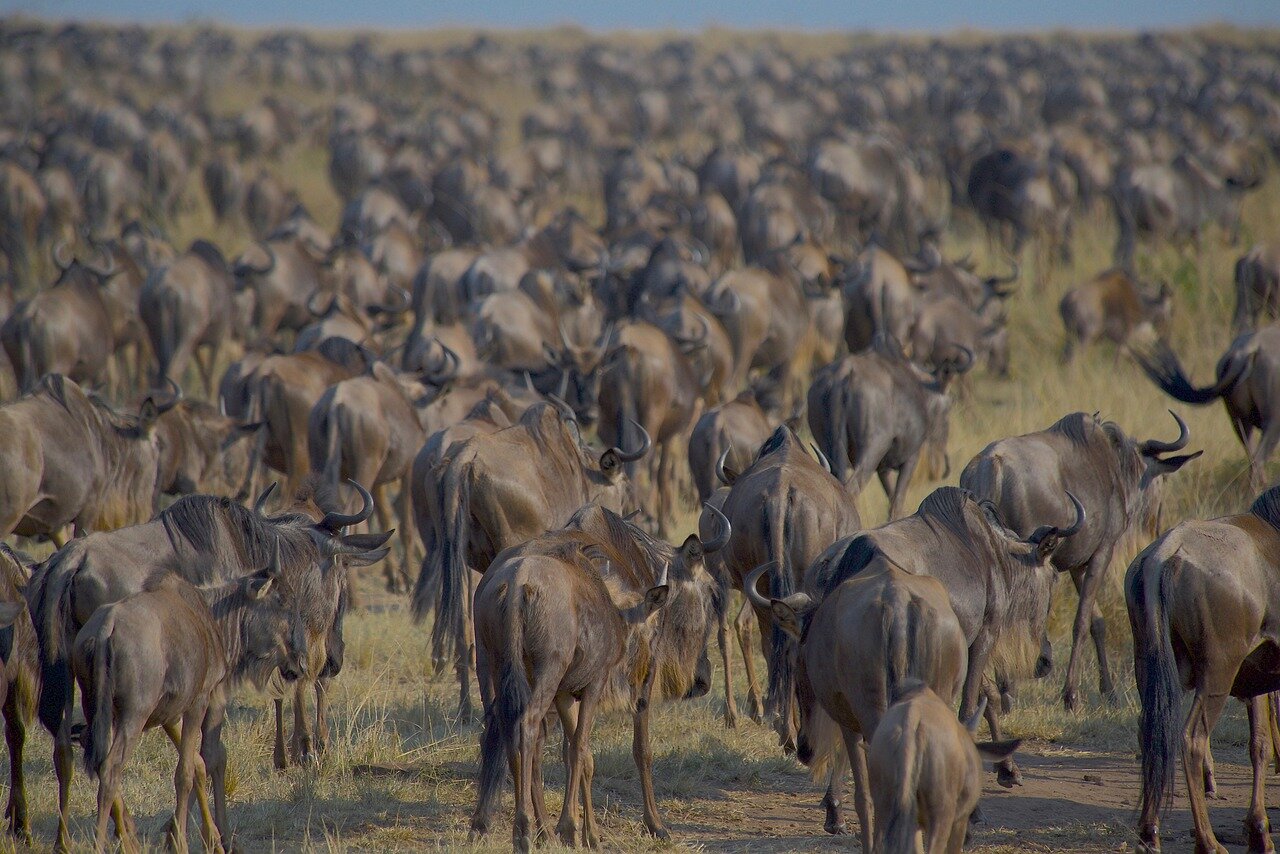
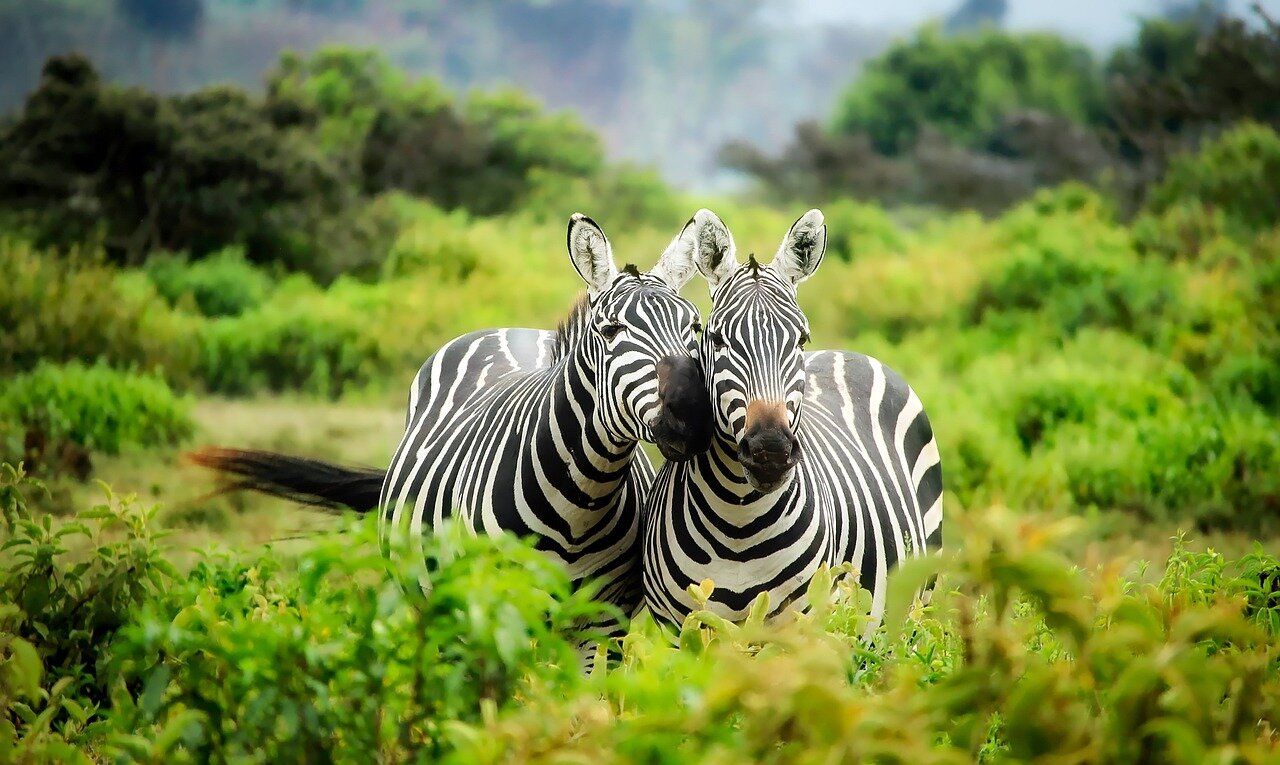
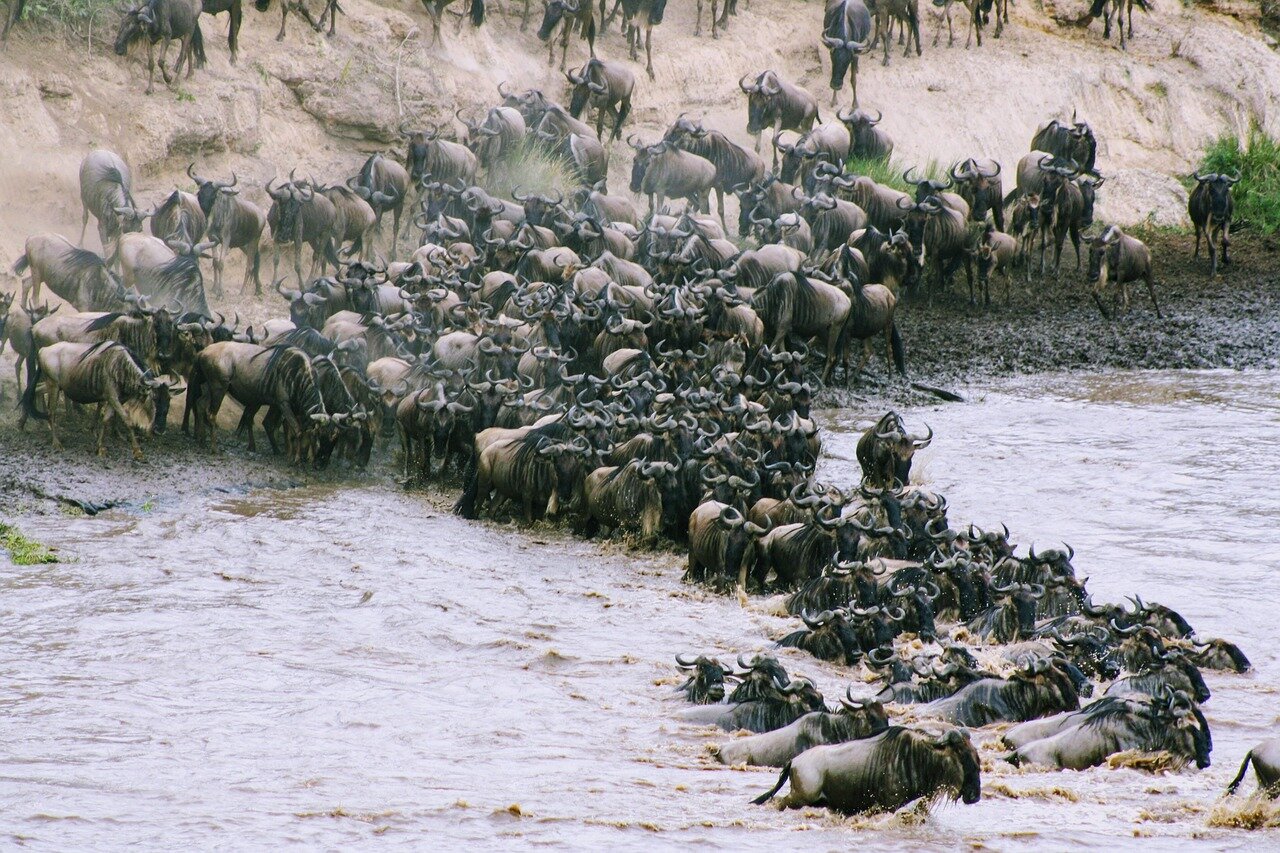
The event that has made the Maasai Mara a global icon is the Great Migration. Between July and October, over two million wildebeest, zebras, and gazelles move from the Serengeti (Tanzania) to the plains of the Mara in search of fresh grazing lands.
The River Crossing: The climax occurs during the crossing of the Mara and Talek rivers. Here, herbivores must face powerful currents and notorious Nile crocodiles, while predators lie in wait on the banks. It is a moment of dramatic natural selection that draws photographers and naturalists from every corner of the globe.
2. Wildlife: The Kingdom of the "Big Five"
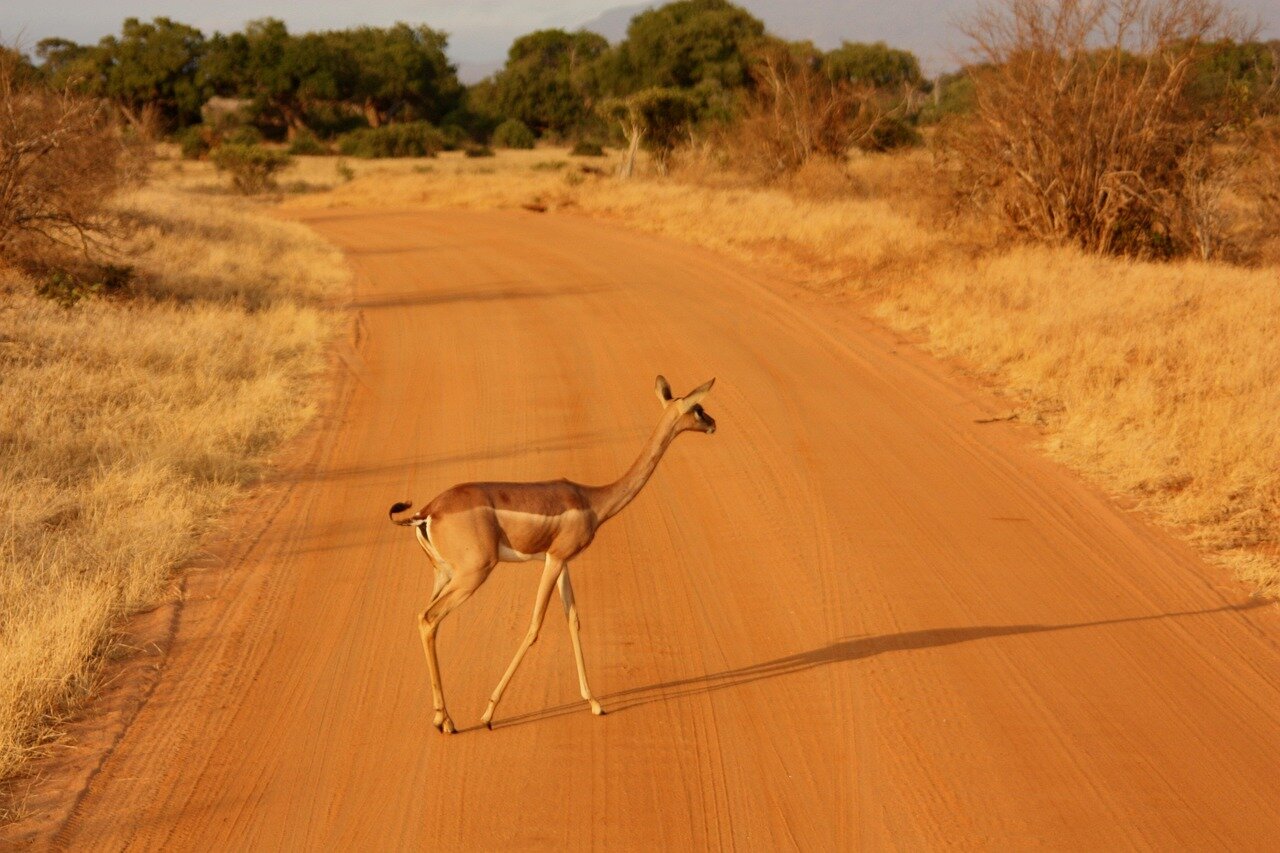
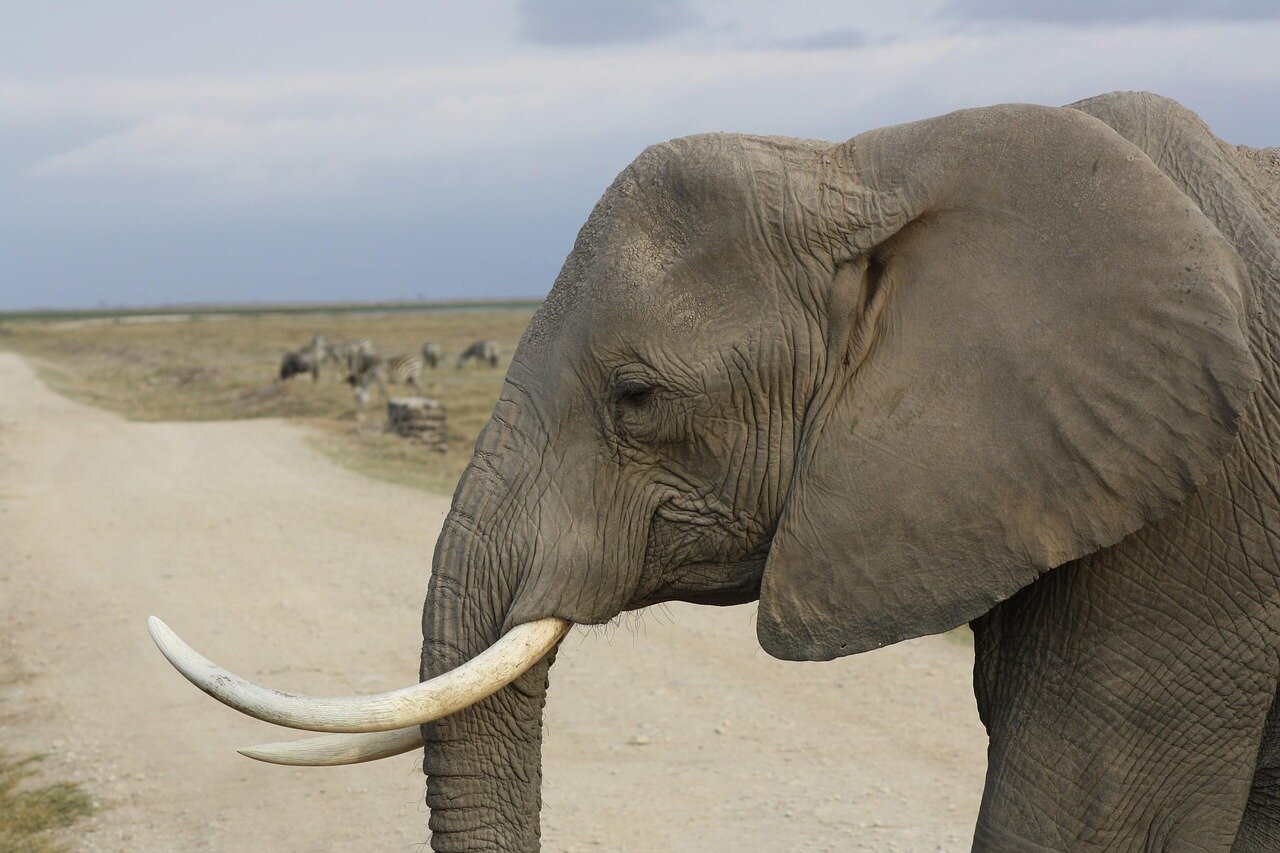
Even outside the migration months, the reserve boasts an extraordinary density of wildlife. It is one of the few places in the world where it is relatively easy to spot the so-called Big Five (lion, leopard, elephant, buffalo, and rhino) in a single safari.
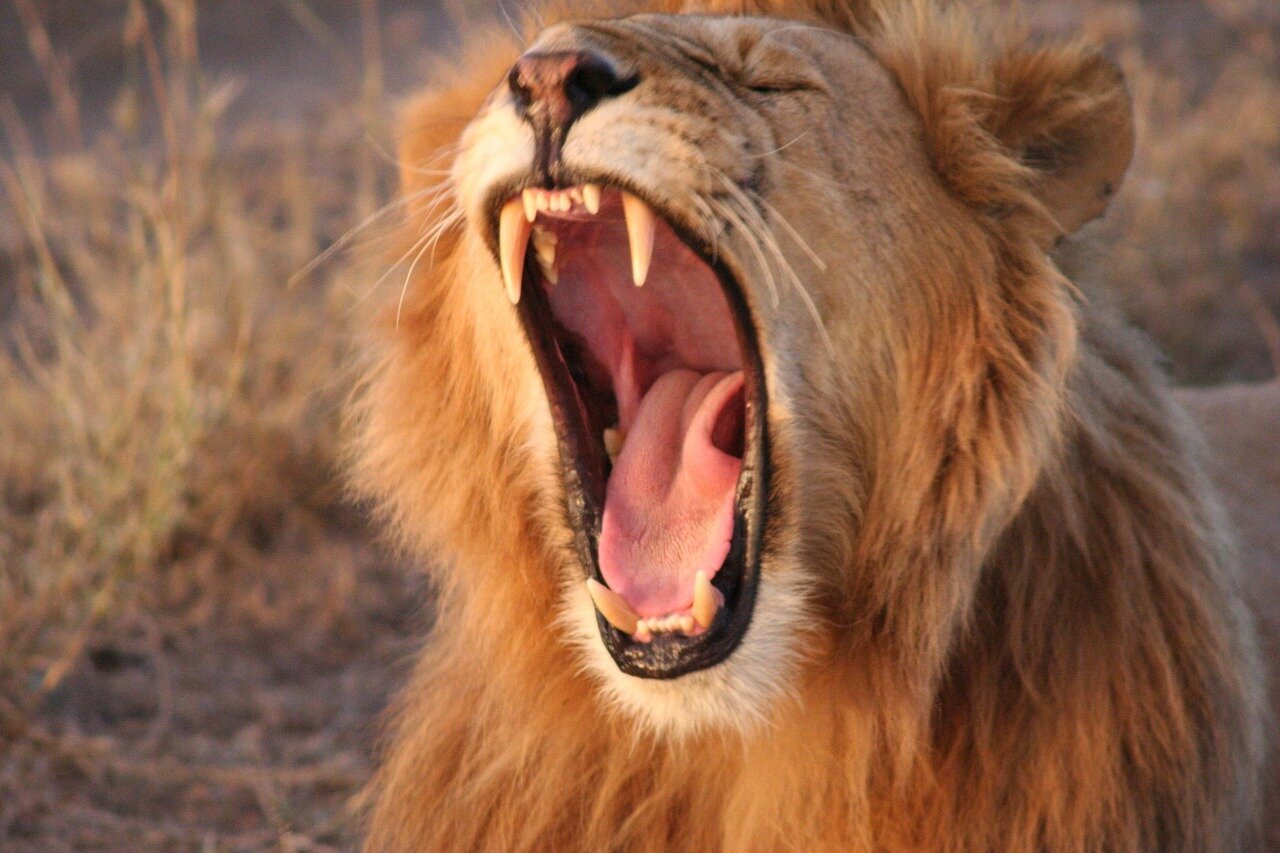
The Big Cats: The Mara is famous for its lion populations (made famous by numerous BBC documentaries) and cheetahs, which take advantage of the wide-open plains for their spectacular high-speed hunts.
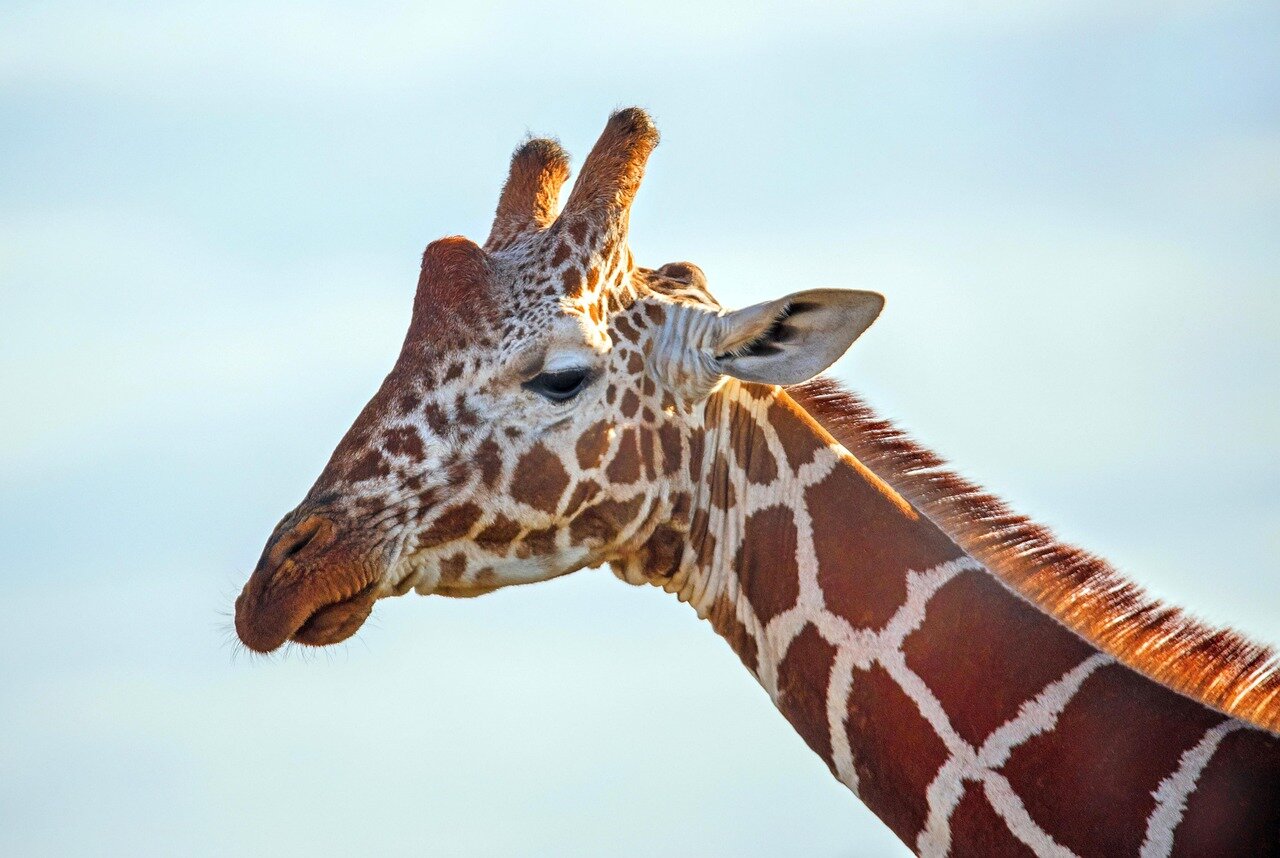
Biodiversity: In addition to mammals, the reserve is home to more than 450 bird species, making it a paradise for birdwatching, especially between January and March.
3. Custodians of the Land: The Maasai People
The reserve's name pays homage to the Maasai, the indigenous people who have inhabited these lands for centuries. "Mara" in the Maa language means "spotted," a reference to the landscape when seen from afar: an expanse of grass dappled with the shadows of clouds, trees, and scrubland.
Today, the relationship between conservation and the local community is fundamental. Many of the areas surrounding the reserve proper are organized into Conservancies (private reserves managed by communities). In these areas:
The Maasai receive direct income from tourism.
Controlled livestock grazing is permitted, integrating the traditional economy with wildlife protection.
Environmental impact is reduced thanks to a limited number of vehicles and eco-sustainable structures.
4. When to Visit the Maasai Mara
Depending on what you wish to see, each season offers a different spectacle:
| Period | What to Expect |
|---|---|
| July – October | The peak of the Great Migration. High crowds, but breathtaking action scenes. |
| November – December | The "short rains." The landscape turns green again, and prices are more affordable. |
| January – March | Dry season and birthing period; excellent visibility and fewer tourists. |
| April – June | The "long rains." Some camps close, but the light for photography is extraordinary. |
A Challenge for the Future
Despite its success, the Maasai Mara faces modern challenges such as climate change, poaching (though significantly declining), and human pressure at its borders. Visiting this reserve with responsible operators is not just a travel experience, but an active contribution to the protection of one of the last great sanctuaries of wildlife on Earth.